
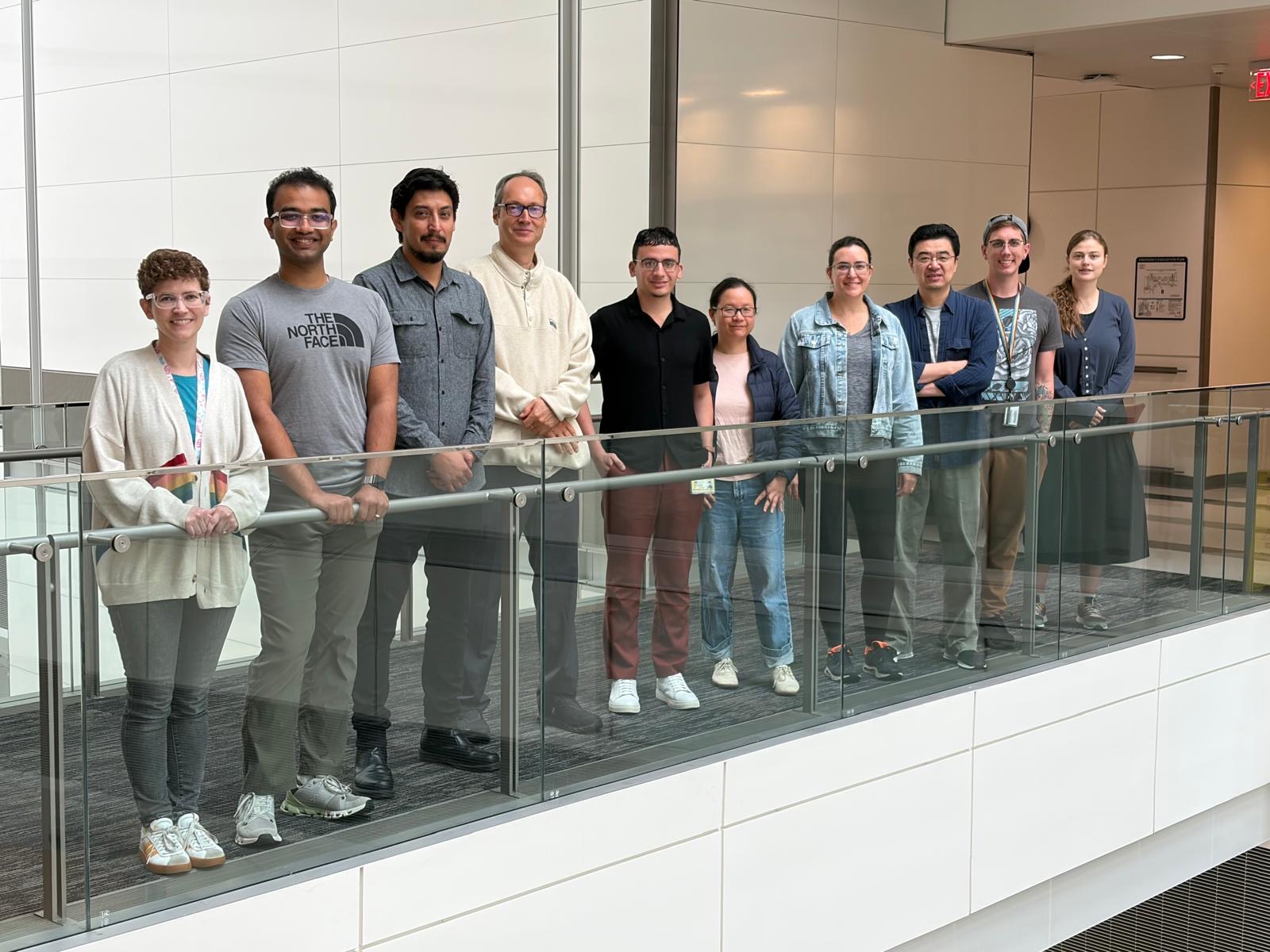




Welcome to the Giger Lab
Roman Giger is the Richard Newman Endowed Professor of Cell and Developmental Biology and Professor of Neurology at the University of Michigan Medical School. His laboratory is dedicated to understanding, and ultimately overcoming, the barriers that limit nervous system repair after injury and disease.
In adult mammals, including humans, injured neurons in the peripheral nervous system (PNS) exhibit a far greater regenerative capacity than injured neurons in the central nervous system (CNS). The Giger laboratory pursues a comparative approach to uncover the molecular mechanisms that control neuronal regeneration. Specifically, the lab seeks to understand why axons in the PNS regenerate robustly, whereas axons in the CNS largely fail to do so. A major focus of the lab is the dynamic and highly coordinated communication between injured neurons and immune cells, and how this cross-talk influences neuroprotection, axon growth, myelination, and functional recovery. To address these questions, the lab integrates state-of-the-art mouse genetics, microsurgical injury in animal models, and multi-OMICs approaches (including transcriptomics, proteomics, and metabolomics) to uncover molecular and cellular programs that shape the nerve microenvironment and regulate axonal regeneration. Peripheral nerve studies in rodents are complemented by analyses of human nerve specimens, enabling direct comparison between human and murine injury responses. For CNS repair, the lab uses optic nerve injury models in small rodents to dissect mechanisms that promote neuronal survival and long-distance axon regeneration. Research in the Giger laboratory sits at the intersection of neurobiology, immunology, and regenerative medicine. The long-term goal is to identify actionable therapeutic strategies that can restore neural function and counteract the devastating consequences of nervous system injury and neurological disease.
Research Interests
Nervous system regeneration, peripheral and central axon repair, optic nerve and sciatic nerve injury, neuro-immune interactions, neuroinflammation, pain, and repair mechanisms.